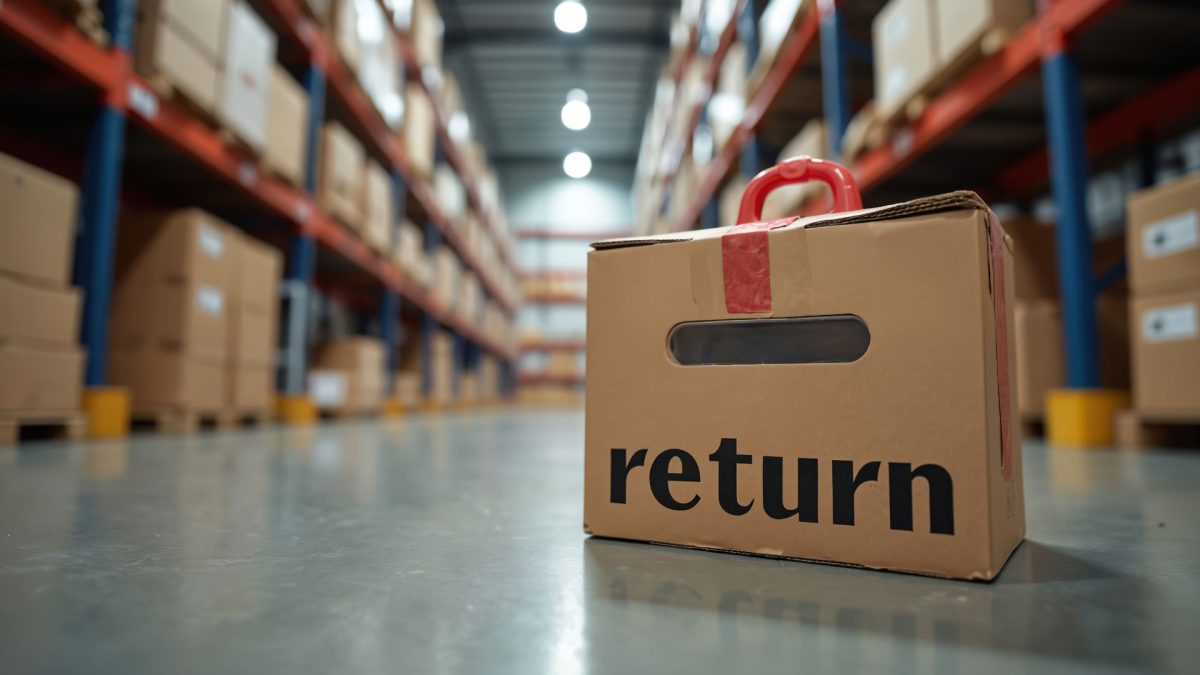
Efficient furniture reverse logistics helps brands simplify bulky returns, improve shipping back coordination, and enhance consumer return experience. With strong returns management, automation, and optimized delivery reversal systems, businesses can reduce costs while ensuring smooth, transparent eCommerce refund journeys.
Furniture retail has advanced quickly with eCommerce, but returns remain a major challenge due to the size, weight, fragility, and cost of furniture, with mishandling potentially disrupting operations, increasing costs, and affecting customer satisfaction.
Furniture reverse logistics is now essential for managing returns effectively, coordinating shipments efficiently, and providing a smooth experience for consumers.
Customers now demand simple returns, flexible pickup, and fast refunds; failing to meet these needs can lead to a loss of trust and repeat business. Conversely, companies with efficient reverse logistics and robust post-purchase services can leverage returns as a competitive edge.
Understanding Reverse Logistics in Furniture
Reverse logistics involves returning products from customers to warehouses, sellers, or manufacturers, especially complex in the furniture industry because of large parcel returns and specialized transportation requirements.
Furniture returns involve a comprehensive process that requires careful planning and thorough execution, typically including:
- Bulky item retrieval services from customer homes, often involving scheduled pickups and trained handling teams
- Detailed inspection and quality checks to assess product condition
- Efficient damage claim processing to determine responsibility and recovery options
- Repair, refurbishment, or responsible disposal based on usability
- Reintegration into inventory, resale channels, or refurbishment pipelines
Unlike traditional returns, furniture demands structured delivery reversal systems that can seamlessly manage logistics, customer communication, and operational efficiency. Every step must be synchronized to minimize costs, reduce delays, and maintain a positive customer experience.
The Unique Challenges of Furniture Returns
- Bulky Item Retrieval Services: Packing and shipping furniture is challenging due to the need for trained staff, specialized equipment, and efficient scheduling for pickups, with inadequate retrieval services leading to delays and damages.
- Complex Shipping Back Coordination: Returns involve more than just sending products back; they require proper routing, scheduling, and handling to ensure efficient movement through the reverse supply chain.
- Damage Claim Processing: Furniture often sustains damage during delivery and returns; implementing a structured damage claim process ensures prompt resolution and preserves customer trust.
- Limited Supply Chain Returns Visibility: Without real-time tracking, companies face challenges in visibility of supply chain returns, resulting in missing items, delays, and ineffective customer communication.
- High Operational Costs: Returns are costly due to transportation, labor, and storage expenses, and without efficient logistics strategies, reverse logistics can significantly reduce profit margins.
Building an Efficient Returns Management System
To address the operational and cost issues of furniture returns, businesses require a structured, technology-driven returns management system that integrates systems, warehouses, and logistics. Providers like XPDEL facilitate this by offering technology, infrastructure, and expertise to optimize reverse logistics and enhance efficiency.
- Smart Home Decor Refund Systems: Fast, transparent home decor refund systems are now an expected standard, requiring clear timelines, status updates, and quick refunds. Effective systems automate approvals, track returns, and keep customers informed through real-time updates and integrations.
- Warehouse Automation: Effective management of returned furniture relies on automation to improve speed, accuracy, and consistency. Manual methods can cause delays and errors, especially with large items. Automation facilitates quicker sorting, streamlined inspections, and real-time inventory updates, reducing turnaround times.
- Inventory Reintegration Techniques: Many returned items are still sellable and can be quickly restocked if managed properly. Effective inventory reintegration techniques, including repackaging, relabeling, and restocking, help reduce losses and optimize inventory use.
- Packaging Reuse Methods: Furniture returns often lead to discarded or damaged packaging, increasing costs and environmental impact. Using reusable packaging and standard materials can reduce waste, lower procurement expenses, and promote sustainability. XPDEL’s logistics strategy focuses on efficiency and eco-friendliness, helping brands implement smarter packaging within their overall logistics plans.
An effective returns management system integrates refunds, warehouse operations, and inventory decisions through technology and automation, with support from logistics partners like XPDEL, to create a streamlined, cost-efficient, and customer-focused process.
Enhancing the Consumer Return Experience
The return process is a vital part of the buyer journey, especially in logistics, particularly for expensive items like furniture. A positive return experience fosters customer loyalty, whereas a negative one can deter future purchases.
Customers now demand convenience, flexibility, and transparency throughout their experience, including simple returns, adaptable pickup times, clear communication, and quick refunds. Meeting these needs requires coordinated reverse logistics, real-time management, and a customer-centric approach.
This is where seamless eCommerce refund journeys make a real impact. By streamlining the process from return request to refund completion, businesses can minimize friction, improve satisfaction, and create a reliable post-purchase experience that encourages repeat buying and strengthens brand confidence.
Logistics Optimization Strategies for Furniture Returns
Efficiently managing furniture returns requires a strategic, technology-driven approach to reverse logistics—one that focuses on speed, cost control, and operational precision. Strong logistics optimization strategies play a crucial role in streamlining complex return flows and enhancing overall service quality. Key approaches include:
- Optimizing routes for pickups and deliveries to minimize transit time and fuel expenses
- Consolidation of return shipments to improve load efficiency and lower transportation expenses
- Efficient large parcel return handling with specialized processes for bulky and fragile items
- Selecting transportation methods that balance speed and cost efficiency
By implementing these strategies, businesses can significantly reduce operational costs while ensuring a smoother, faster, and more reliable return experience for customers.
The Future of Furniture Reverse Logistics
The future of furniture reverse logistics is being shaped by rapid innovation and rising customer expectations. As online furniture sales continue to grow, businesses are under increasing pressure to make returns faster, more transparent, and cost-efficient—without compromising on customer experience.
Emerging trends are transforming how reverse logistics operates:
- Increased use of automation and AI to streamline return processing and decision-making
- Smarter courier scheduling tools that improve pickup efficiency and reduce delays
- Sustainable packaging reuse methods to minimize waste and support eco-friendly operations
- Enhanced supply chain returns visibility through real-time tracking and data insights
Businesses that invest in these advancements will be better positioned to scale their operations efficiently, reduce costs, and deliver a seamless, reliable return experience that strengthens customer trust and long-term loyalty.
Businesses that invest in these advancements will be better positioned to scale their operations efficiently, reduce costs, and deliver a seamless, reliable return experience that strengthens customer trust and long-term loyalty.
Conclusion:
Furniture returns, while complex, offer valuable opportunities for businesses to cut costs, recover product value, and boost customer satisfaction through strategic management. Utilizing effective reverse logistics, structured return processes, and logistics optimization can transform returns into a competitive advantage. Focusing on a positive consumer return experience, supported by refund systems and refurbishment pipelines, ensures returned products are maximized for value. In a competitive market, brands that simplify and improve the return process can foster long-term customer loyalty.
Still managing returns the old way? XPDEL can help you streamline your reverse logistics, optimize returns management, and deliver a seamless, customer-first experience from pickup to refund.
About XPDEL:
XPDEL empowers fast-growing eCommerce brands with scalable 3PL warehouse solutions and seamless 3PL integration. As a dedicated logistics partner eCommerce businesses trust, it streamlines fulfillment and optimizes eCommerce delivery management. Its technology-led approach ensures efficient eCommerce logistics outsourcing and supports sustainable growth.
Frequently Asked Questions (FAQs)
Q-1: What is furniture reverse logistics and why does it matter for eCommerce brands?
Ans. Furniture reverse logistics refers to the end-to-end process of managing product returns from customers back to warehouses or sellers. For eCommerce brands, it’s critical because bulky, high-value items demand specialized handling, structured damage claim processing, and efficient delivery reversal systems, all of which directly impact costs and customer satisfaction.
Q-2: How can businesses reduce the high costs associated with furniture returns?
Ans. Businesses can significantly cut return-related expenses by implementing logistics optimization strategies such as route optimization, shipment consolidation, large parcel return handling protocols, and warehouse automation — reducing labor, transportation, and storage costs without compromising service quality.
Q-3: What role does warehouse automation play in managing returned furniture?
Ans. Warehouse automation accelerates sorting, inspection, and inventory reintegration of returned items. It eliminates manual errors, speeds up turnaround times, and enables real-time inventory updates — ensuring sellable returns are restocked quickly and losses are minimized.
Q-4: How does a seamless eCommerce refund journey improve customer retention?
Ans. A frictionless return experience, featuring clear timelines, real-time tracking, and fast refunds — builds trust and encourages repeat purchases. Brands that prioritize the consumer return experience through automated refund systems consistently outperform competitors in long-term customer loyalty.
Q-5: What emerging technologies are shaping the future of furniture reverse logistics?
Ans. AI-driven return processing, smarter courier scheduling tools, sustainable packaging reuse methods, and enhanced supply chain returns visibility through real-time data are rapidly redefining reverse logistics — helping brands scale efficiently while delivering faster, more transparent return experiences.
