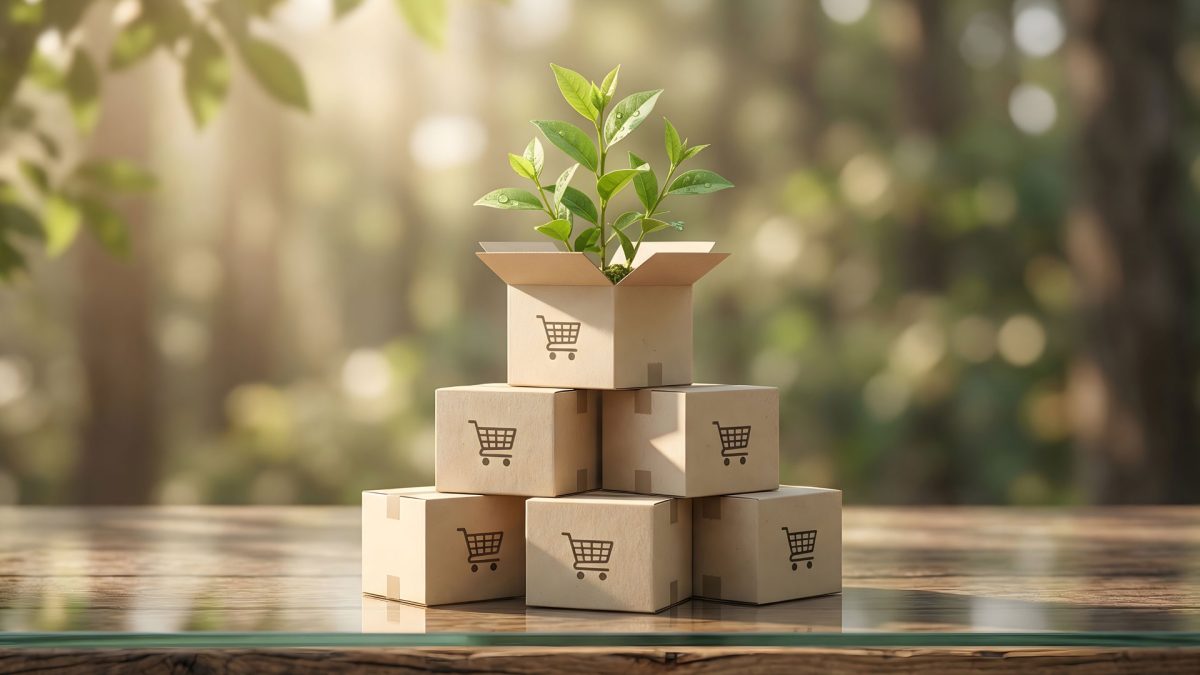
Discover how smarter fulfillment strategies — from inventory optimization to sustainable last-mile delivery — help eCommerce brands reduce emissions, minimize waste, and build eco-friendly supply chains.
The rapid growth of eCommerce is amplifying its environmental footprint through excess packaging, long-distance shipping, inventory waste, and high return rates. Consumers are increasingly demanding sustainable practices from brands — while still expecting fast, reliable service.
Smarter fulfillment addresses both demands. By optimizing the entire supply chain to reduce waste, improve efficiency, and promote sustainability, eCommerce brands can deliver a better customer experience without compromising their environmental commitments.
Through advanced technology, intelligent inventory management, and optimized logistics, businesses can operate more sustainably at scale. 3PL providers like XPDEL help eCommerce brands achieve fulfillment solutions that are efficient, scalable, and built with sustainability in mind.
What is Smarter Fulfillment in eCommerce?
Smarter fulfillment is a technology-driven approach that enhances efficiency and reduces waste by utilizing real-time data, automation, and optimized inventory management — moving away from manual processes and rigid logistics systems.
Modern fulfillment platforms integrate warehouse, transportation, and order management into a unified system, giving eCommerce businesses greater supply chain visibility and enabling faster, more informed decisions on inventory, shipping, and delivery.
For growing eCommerce brands, smarter fulfillment means intelligent shipping options, automated workflows, and real-time inventory tracking. These capabilities improve coordination between warehousing and transportation, reduce costs, and enable quick responses to shifts in customer demand.
As sustainability becomes a core business priority, smart fulfillment solutions are increasingly valued for their ability to reduce emissions and improve resource efficiency across logistics operations.
Why Sustainability Matters in eCommerce Fulfillment
Sustainability has moved from a differentiator to an expectation. Consumers increasingly favor environmentally responsible brands, and eCommerce companies are under growing pressure to reduce waste and emissions across their operations.
fulfillment touches sustainability at every stage — packaging, warehousing, transportation, and returns. Inefficiencies at any point can lead to excess inventory, higher fuel consumption, increased packaging waste, and more failed deliveries. Each of these has a direct environmental and financial cost.
Sustainable fulfillment practices also improve operational performance. Lower shipping costs, higher inventory accuracy, and stronger customer satisfaction are measurable outcomes for brands that invest in greener logistics.
By adopting green fulfillment strategies, eCommerce companies can build a more resilient, cost-effective business model while working toward meaningful long-term environmental goals.
Inventory Management Optimization Reduces Waste
Optimizing inventory management is one of the most effective ways to improve eCommerce sustainability. Overstocking leads to unsold products, unnecessary storage costs, and eventual waste — all of which carry both financial and environmental consequences.
Smarter fulfillment systems use predictive analytics and demand forecasting to optimize inventory levels. By analyzing customer purchase behavior and regional demand trends, eCommerce brands can stock the right products at the right fulfillment centers — reducing both shortfalls and surplus.
Distributed inventory placement further reduces the distance products travel to reach customers, cutting transportation emissions while improving delivery speed. Key sustainability benefits of inventory optimization include:
- Minimizing product waste and dead stock
- Reducing warehousing and storage expenses
- Eliminating unnecessary emergency shipments
- Improving order accuracy
- Lowering total transportation mileage
Technology-enabled fulfillment providers like XPDEL support eCommerce brands in achieving this balance through real-time inventory visibility and strategically positioned fulfillment centers — aligning supply with demand while minimizing operational inefficiencies.
Last-Mile Delivery Optimization Lowers Emissions
Last-mile delivery is one of the most expensive and environmentally intensive stages of eCommerce fulfillment. Delivering individual packages to customers’ doorsteps requires multiple stops, navigation through congested urban areas, and routes that are often far from optimal — resulting in elevated fuel consumption and greenhouse gas emissions.
Last-mile delivery optimization addresses this by leveraging regional fulfillment centers, intelligent route planning, automated carrier selection, and data-driven logistics strategies. Together, these approaches shorten delivery distances, reduce emissions, and improve delivery speed for eCommerce businesses.
Distributing inventory across multiple fulfillment centers reduces total transportation distances and makes logistics more efficient — regardless of delivery speed. During peak periods, the ability to fulfill orders from the closest available warehouse minimizes delays and transportation costs while reducing the carbon footprint per delivery.
eCommerce brands that invest in last-mile optimization benefit from both lower operational costs and stronger customer satisfaction — a clear example of sustainability and business performance moving in the same direction.
Technology’s Role in Green Fulfillment
Technology is the backbone of sustainable fulfillment. Advanced systems enable businesses to monitor, analyze, and optimize supply chain processes in ways that manual operations simply cannot match.
Key technologies driving green fulfillment include:
- Warehouse Management Systems (WMS) — streamline storage, picking, and dispatch while minimizing errors and unnecessary movement
- Transportation Management Systems (TMS) — optimize carrier selection, route planning, and shipment consolidation to reduce fuel use
- Order Management Systems (OMS) — improve order routing and coordination across channels, reducing duplicate or unnecessary shipments
Automation reduces manual errors and unnecessary shipments, cutting waste and inefficiency. Real-time visibility enables faster detection of supply chain issues — preventing delays, avoiding overstock, and supporting more precise inventory decisions.
XPDEL leverages integrated fulfillment technology and live dashboards to give eCommerce brands full operational visibility and improved logistics performance — enabling smarter decisions that support both growth and sustainability goals.
As eCommerce continues to scale, adopting environmentally sustainable fulfillment technology will be essential for brands pursuing responsible long-term growth.
Sustainable Returns Management Improves eCommerce Efficiency
Returns are an unavoidable part of eCommerce — but how they are managed makes a significant difference, both operationally and environmentally. Sustainable returns management reduces reverse logistics costs, cuts carbon emissions associated with return transportation, and accelerates the reintegration of restockable or refurbishable products into inventory.
Efficient returns handling also reduces landfill waste by giving returned items a second life through refurbishment or resale, rather than disposal. When managed well, returns shift from a cost burden into an eco-friendly, value-recovery opportunity.
Partnering with a 3PL that prioritizes sustainable returns management helps eCommerce brands align their operations with environmental values — while also improving customer satisfaction and supporting long-term brand loyalty.
Choosing the Right Sustainable Fulfillment Partner
The right fulfillment partner can significantly accelerate an eCommerce brand’s sustainability journey. An experienced 3PL helps eliminate transportation inefficiencies, reduce operational waste, and optimize delivery networks — outcomes that benefit both the bottom line and the environment.
XPDEL offers scalable eCommerce fulfillment solutions powered by advanced technology and a nationwide fulfillment network. Their integrated logistics platform is built to improve operational performance, boost customer satisfaction, and promote sustainable growth.
Working with an environmentally responsible 3PL allows brands to focus on core growth strategies while building a supply chain that is greener, more resilient, and better aligned with evolving customer expectations.
Conclusion:
Sustainable eCommerce is built on smarter operational choices — inventory optimization, intelligent shipping, technology-driven logistics, and sustainable returns management. Each of these levers helps brands reduce waste, cut emissions, and improve efficiency across the supply chain.
As online shopping continues to grow, sustainable fulfillment practices are becoming a genuine competitive advantage. Brands that invest in greener operations are better positioned to meet rising customer expectations, improve scalability, and build supply chains capable of supporting long-term growth.
Ready to make your eCommerce operations smarter and more sustainable? XPDEL helps brands reduce fulfillment inefficiencies, optimize delivery, and scale faster with tech-driven solutions built for modern eCommerce.
About XPDEL:
With a nationwide fulfillment network and advanced logistics technology, XPDEL helps eCommerce brands improve delivery speed, optimize inventory management, and simplify returns — delivering a smarter, more sustainable fulfillment experience across the U.S.
Frequently Asked Questions (FAQs)
Q1: What is smarter fulfillment in eCommerce?
Smarter fulfillment is a technology-driven approach that uses automation, real-time data, and optimized inventory management to improve supply chain efficiency while reducing waste and environmental impact.
Q2: How does fulfillment affect eCommerce sustainability?
fulfillment impacts sustainability at every stage — packaging, warehousing, transportation, and returns. Inefficient processes lead to excess inventory, higher fuel consumption, and increased packaging waste, making optimization essential for greener operations.
Q3: How does last-mile delivery optimization reduce emissions?
By using regional fulfillment centers, intelligent route planning, and automated carrier selection, businesses can shorten delivery distances, reduce fuel consumption, and significantly lower their carbon footprint.
Q4: What role does technology play in sustainable fulfillment?
Technologies like Warehouse Management Systems (WMS), Transportation Management Systems (TMS), and Order Management Systems (OMS) work together to improve supply chain visibility, reduce errors, and enable smarter, greener logistics decisions.
Q5: Why is sustainable returns management important for eCommerce?
Efficient returns management reduces reverse logistics costs, minimizes landfill waste, and speeds up restocking of returned products — turning a traditionally costly process into an eco-friendly, value-recovery opportunity.
