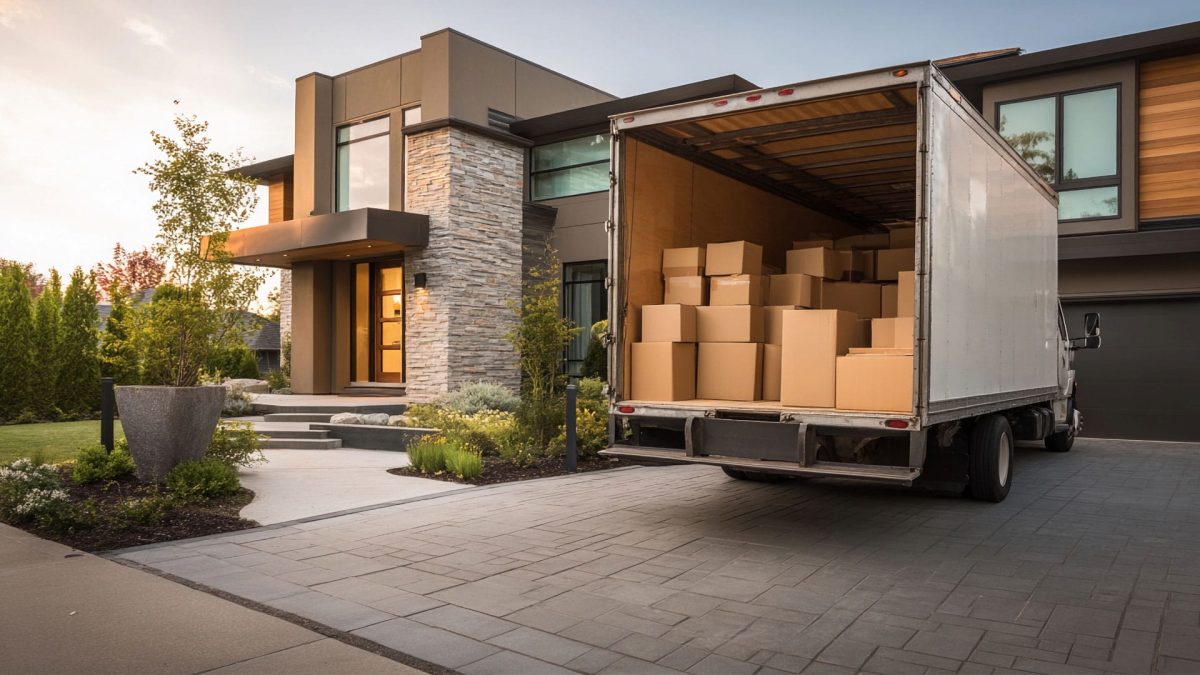
Last-mile delivery is now central to furniture brand success. From premium delivery services to distributed warehousing and intelligent route optimization, innovative logistics solutions help brands deliver exceptional experiences at every customer touchpoint.
The furniture industry has changed considerably in recent years. More consumers are purchasing sofas, dining sets, office furniture, and home décor online — and with that shift comes a sharp increase in pressure on brands to deliver fast, efficiently, and without compromising the customer experience.
Last-mile delivery for furniture is one of the most operationally complex challenges in ecommerce. Large sizes, fragility, assembly requirements, and scheduled delivery windows make it fundamentally different from standard parcel logistics — and it has become a strategic function that directly shapes customer satisfaction and brand loyalty.
Technology-driven logistics solutions, advanced fulfillment networks, and experienced third-party partners are helping furniture brands meet these demands. Brands that invest in smarter fulfillment systems and scalable operations improve delivery performance, control costs, and build the customer trust that drives long-term growth.
The Unique Challenges of Furniture Last-Mile Delivery
Furniture shipments require specialized handling at every stage of the supply chain. Larger products need bigger vehicles, trained handling staff, and additional equipment — all of which increase delivery complexity and require careful logistics planning.
The specific challenges furniture brands face in last-mile delivery include:
- Damage risk: High-value, fragile items are vulnerable to scratches, dents, and packaging failures in transit. Reliable delivery depends on gentle handling, appropriate protective packaging, and well-trained teams.
- Scheduling complexity: Customers expect precise delivery windows and real-time updates — especially for large items that require someone to be present on delivery. Failed delivery attempts are costly and erode trust quickly.
- Returns complexity: Returns for bulky items require specialized transportation, storage, and handling — making reverse logistics more expensive and operationally intensive than returns in standard ecommerce categories.
- Last-mile cost: The final mile is both the most visible and the most expensive stage of furniture fulfillment, often representing the largest share of total delivery cost per order.
Why Last-Mile Delivery Shapes Brand Perception
In ecommerce, the delivery experience is often the only physical interaction a customer has with a brand. A well-designed website and quality product can create strong purchase intent — but a delayed delivery, poor communication, or damaged shipment can undo that impression entirely.
Modern consumers expect transparency throughout the purchasing process. Real-time shipment tracking, proactive delivery updates, and professional handling have become baseline expectations, not premium features. Brands that consistently meet these expectations build the kind of customer confidence that drives repeat business and positive reviews.
Investing in dependable furniture fulfillment — and partnering with experienced last-mile delivery specialists — is one of the most direct ways furniture brands can protect their reputation and strengthen customer loyalty in a competitive market.
The Innovations Transforming Furniture Last-Mile Delivery
Technology and operational innovation are fundamentally reshaping how furniture brands approach fulfillment. The traditional model of dispatching products from a single centralized warehouse is giving way to smarter, more agile strategies built for the demands of modern commerce.
- Route Optimization and Intelligent Dispatch: Leading logistics providers use advanced route optimization tools to process variables including real-time traffic conditions, weather, driver availability, and customer delivery windows. The result is measurably reduced transit times, lower fuel costs, and stronger on-time delivery performance. For furniture brands managing high-volume shipments across multiple regions, intelligent dispatch planning is a meaningful lever for both operational efficiency and scalable growth.
- Real-Time Delivery Visibility: Consumers today expect precise, up-to-the-minute information about their orders. GPS-enabled tracking platforms and automated status notifications deliver end-to-end visibility across the entire delivery journey — from dispatch to doorstep. This transparency reduces customer service inquiries, strengthens communication, and reinforces confidence in the delivery experience. Leading furniture fulfillment solutions now integrate directly with ecommerce platforms, giving customers centralized access to order updates throughout the process.
- Premium Delivery Services: For high-value furniture, the delivery experience extends well beyond leaving a package at the threshold. Premium delivery services — encompassing room-of-choice placement, professional assembly, installation, and removal of packaging materials — have become an expected standard for brands selling in the mid-to-premium segment. This elevated service level not only improves the customer experience but also reduces the risk of product damage during setup, which directly lowers return rates.
- Distributed Warehousing: Consumer expectations around delivery speed have exposed the limitations of centralized inventory models. By investing in strategically positioned fulfillment centers, furniture brands can meaningfully shorten delivery distances and reduce per-shipment costs. Distributed fulfillment networks allow brands to position inventory in proximity to their highest-demand markets — unlocking same-day and next-day delivery capabilities that were previously difficult to achieve for oversized products.
- Digital Proof of Delivery and Smart Returns: Mobile technology has streamlined delivery confirmation through electronic signatures, image-based verification, and digital proof of delivery tools. These reduce disputes, create clear documentation trails, and improve supply chain accountability. Automated returns platforms are also simplifying reverse logistics — enabling customers to schedule pickups through self-service channels and track return requests in real time.
The Growing Importance of 3PL Providers for Furniture Brands
Managing furniture logistics in-house is resource-intensive and increasingly difficult to scale as order volumes grow and customer expectations rise. A growing number of furniture brands are turning to specialized third-party logistics partners to oversee warehousing, fulfillment, and last-mile operations with greater precision and efficiency.
A dedicated furniture 3PL brings purpose-built infrastructure and deep operational expertise tailored to oversized and fragile products — from inventory management and order processing to freight handling and delivery coordination. These partners enable brands to streamline their supply chains without the capital burden of building and maintaining proprietary logistics networks.
The most capable furniture 3PL providers extend well beyond basic warehousing. They offer access to strategically distributed fulfillment centers, integrated technology platforms, and established carrier relationships — giving brands the operational reach needed to enter new markets while maintaining consistent, high-quality delivery standards at scale.
Partnering with an experienced furniture logistics provider allows brands to redirect focus toward what drives long-term growth: product development, customer acquisition, and brand positioning. The operational complexity of carrier management, inventory visibility, and last-mile coordination is handled by specialists who have built their practice around solving exactly these challenges.
Technology Driving End-to-End Furniture Logistics
The future of furniture fulfillment relies on integrated technology systems that provide full transparency across the supply chain.
- Warehouse Management Systems (WMS) improve inventory accuracy, optimize storage layouts, and reduce picking errors across fulfillment operations.
- Transportation Management Systems (TMS)</strong> coordinate carriers, streamline dispatch, and improve shipment tracking — enabling smarter decisions around carrier selection and route efficiency.
- Ecommerce platform integrations link online stores directly with fulfillment operations for seamless order processing from checkout to delivery, reducing manual handling and the errors that come with it.
- Live dashboards and data analytics tools give brands real-time visibility into inventory, order status, and delivery performance — enabling faster decisions and more accurate demand planning.
When these technology layers are combined with strategically placed fulfillment centers, brands can build a seamless system that delivers faster, more reliable furniture logistics from warehouse to customer doorstep.
Choosing the Right Last-Mile Logistics Partner
As customer expectations continue to rise, selecting the right logistics partner has become a core strategic decision rather than just an operational one. Furniture brands should evaluate prospective partners carefully — assessing their experience with oversized products, warehouse network coverage, technology infrastructure, and demonstrated capability to manage complex, high-touch deliveries.
A qualified partner should offer:
- Specialized handling for bulky, heavy, and fragile furniture at every stage of the delivery chain
- A distributed fulfillment network designed to support growth across multiple markets
- Real-time order tracking and proactive customer communication tools
- Flexible premium delivery options that accommodate varying service levels based on product type and customer expectations
- Efficient reverse logistics and structured returns management that minimizes friction for both brands and customers
- Nationwide coverage supported by established carrier partnerships
The right last-mile delivery partner should function as a seamless extension of the brand — not just a vendor executing transactions. Every delivery interaction is a brand touchpoint. The logistics partner’s professionalism, attention to detail, and communication standards must reflect the same quality the customer was promised at purchase.
How XPDEL Supports Furniture Brands
XPDEL’s Home Furnishing & Decor Fulfillment service is built for brands that refuse to compromise on delivery quality. Verified capabilities include:
- A nationwide fulfillment network enabling same-day, next-day, and two-day delivery across the US and Canada
- Specialized warehousing with heavy-duty racking, wide aisles, and equipment for safe handling of oversized and fragile inventory
- WMS-driven order accuracy and TMS-enabled carrier and shipping method optimization
- Interactive dashboards providing real-time visibility into inventory, orders, and delivery performance metrics
- Scheduled delivery coordination with real-time tracking and proactive customer updates
- Structured reverse logistics including home pickup for customer returns
- Support for D2C and B2B fulfillment from a single operational network
- Native integrations with major ecommerce platforms and ERPs including Shopify, Amazon, NetSuite, SAP, and Microsoft Dynamics
From the warehouse shelf to the customer’s living room, XPDEL’s fulfillment network is built for furniture brands that take delivery quality as seriously as product quality.
Conclusion:
The rise of online furniture retail has redefined the role of logistics in the industry. Last-mile delivery is no longer a purely operational function — it is a direct expression of brand promise, encompassing convenience, reliability, and a customer experience that extends well beyond the point of purchase.
Route optimization, distributed fulfillment networks, real-time tracking, and premium delivery services are giving furniture brands the tools to meet sophisticated consumer expectations without sacrificing operational efficiency. Alongside these innovations, experienced 3PL partners are enabling brands to scale with confidence — maintaining service quality as order volumes and geographic reach expand.
For furniture brands committed to strengthening their supply chain and elevating the end-to-end customer experience, XPDEL provides the technology, nationwide fulfillment network, and deep expertise in furniture logistics to help brands deliver at scale — from warehouse to doorstep.
Frequently Asked Questions (FAQs)
Q1. Why is last-mile delivery more complex for furniture brands than standard ecommerce?
Furniture shipments involve oversized, high-value, and fragile products that require specialized vehicles, trained handling staff, pre-scheduled delivery windows, and often assembly services — creating significantly higher operational complexity than standard parcel logistics.
Q2. What does premium delivery service for furniture typically include?
Premium furniture delivery goes beyond doorstep drop-off to include room-of-choice placement, professional assembly, installation, and full packaging removal. For mid-to-premium furniture brands, this level of service is increasingly an expected standard that reduces post-delivery damage claims and improves customer satisfaction.
Q3. How does route optimization benefit furniture last-mile logistics?
Route optimization tools process real-time variables — traffic conditions, weather, driver availability, and delivery windows — to generate the most efficient delivery routes. The result is reduced transit times, lower fuel costs, and consistently stronger on-time delivery performance.
Q4. What advantages does a specialized furniture 3PL provider offer?
A dedicated furniture 3PL brings purpose-built warehousing infrastructure, established carrier networks, integrated technology platforms, and deep expertise in oversized freight — enabling brands to scale fulfillment without the capital burden of building proprietary logistics systems.
Q5. How does distributed warehousing improve delivery speed and cost efficiency?
By positioning inventory across strategically located fulfillment centers, brands can minimize delivery distances, reduce per-shipment costs, and unlock same-day or next-day delivery capabilities in their highest-demand markets.
