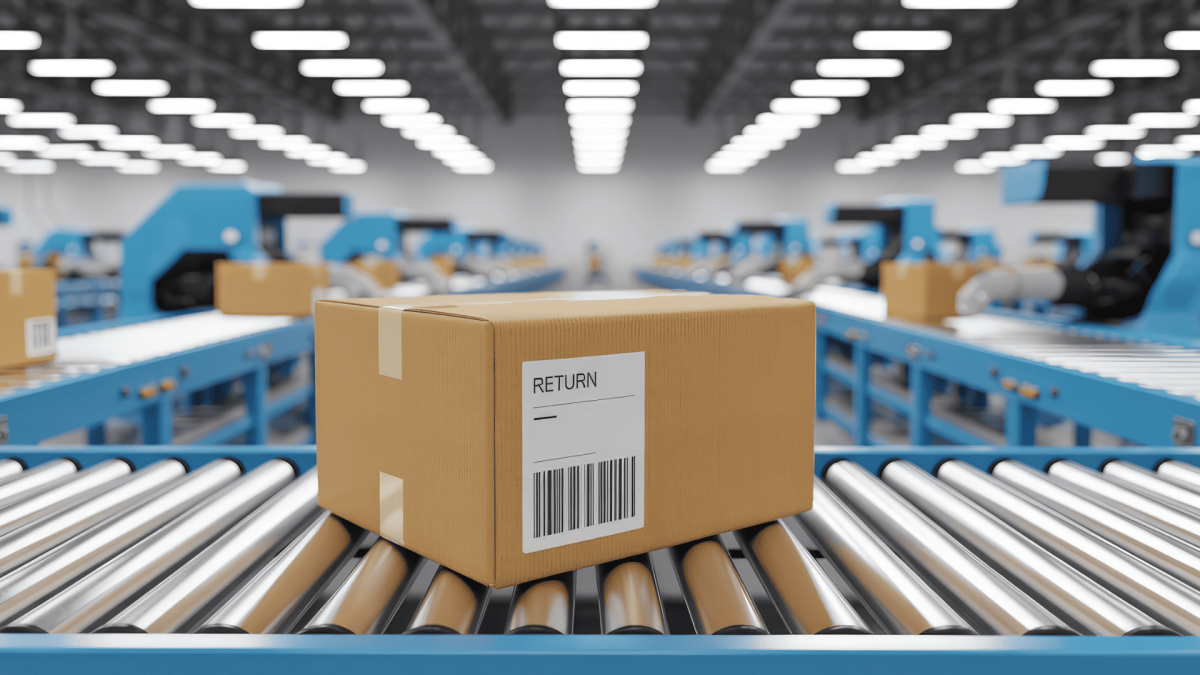
Returns management plays a critical role in protecting margins and strengthening customer loyalty in eCommerce. By streamlining policies, leveraging automation, optimizing reverse logistics, and using data to reduce future returns, brands can lower costs and recover inventory faster. A smarter returns strategy transforms a necessary expense into a competitive advantage.
Over the past decade, eCommerce has grown rapidly due to technological advancements, widespread smartphone adoption, and evolving consumer expectations. Today’s online shoppers demand fast delivery, seamless checkout, and hassle-free returns.
As eCommerce scales, return volumes continue to rise. Common causes include sizing issues, damaged products, buyer’s remorse, and inaccurate product descriptions—driving higher return rates year over year.
Returns are no longer a post-purchase inconvenience; they are a core part of the customer experience. Shoppers evaluate brands not only on delivery speed but also on how easily they can return products and receive refunds. A poor returns process erodes trust, while a seamless experience builds loyalty and repeat purchases.
This blog explores why effective returns management is essential for eCommerce success and outlines four proven strategies to improve operations, reduce costs, and enhance customer satisfaction.
Why Returns Management is Critical for eCommerce Success
Effective returns management is essential for eCommerce success because it transforms a challenging and expensive post-purchase process into a strategic opportunity to enhance customer loyalty and safeguard profit margins. Listed below are the reasons why returns management is critical:
- 1. Impact on Profitability: Returns have a substantial impact on eCommerce profitability, with costs that go beyond just refunding customers. Companies incur expenses such as shipping, reverse logistics, warehouse work, inspection, repackaging, restocking, and possible inventory write-offs. Without a well-organized returns process, these hidden costs can gradually diminish profit margins. Effective returns management allows businesses to recover value from returned products, reduce losses, and streamline operations- ultimately improving financial performance
- 2. Influence on Customer Loyalty and Brand Perception: Return experiences significantly influence customer perceptions, just like the initial purchase. A complex, slow, or confusing returns process can lead to frustration and harm trust, whereas a clear and easy return process encourages repeat business and positive recommendations. Customer Loyalty is driven not only by price or product quality but also by dependability, promptness, and trust throughout the entire shopping journey, including the returns process.
- 3. Connection to Fulfillment Efficiency and Operational Performance: Returns Management is directly linked to fulfillment operations. Delays in processing returns can lead to warehouse congestion, inaccuracies in inventory, and decreased efficiency in order fulfillment companies in USA. Ineffective returns handling can cause bottlenecks, slowing down shipping, reducing labor productivity, and impairing overall warehouse operations. By streamlining the returns process, eCommerce Fulfillment Company in USA can enhance their reverse logistics and strengthen their fulfillment ecosystem.
Common Challenges in eCommerce Returns
Although it is a critical part of eCommerce, managing returns is still one of the most complicated and resource-intensive aspects of eCommerce fulfillment services USA:
- 1. High Returns Logistics Costs: Reverse logistics typically costs more than outbound shipping, as each return requires transportation, processing, inspection, and possibly repairs or disposal. Without efficient procedures and proper carrier coordination, these expenses can quickly increase.
- 2. Slow Processing and Delayed Refunds: Customers anticipate quick refunds and exchanges. Delays caused by manual processes, inventory issues, or system inefficiencies can result in dissatisfaction, increased support requests, and possible chargebacks.
- 3. Inventory Write-offs and Stock Visibility Issues: Returns often cause discrepancies in inventory records. Items that are in transit or undergoing inspection are not accessible for sale, resulting in stock shortages or excess replenishment. Inadequate inventory reconciliation can lead to higher write-offs and diminished recoverable value.
- 4. Poor Customer Communication and Unclear Policies: Uncertain or difficult-to-locate return policies lead to confusion and frustration. Inconsistent messaging regarding refund timelines, eligibility, or return requirements undermines trust and results in avoidable customer service questions.
How to Handle Returns Without Killing Your Profits?
Returns are a common aspect of eCommerce fulfillment services USA, regardless of how appealing a product appears online or how detailed its description is. Occasionally, the product may not fit properly, look different in person, or fall short of expectations, and that’s understandable. Listed below are the four straightforward yet essential tips to help you better manage returns and boost your sales simultaneously:
- 1. Make your Return Policy Clear and Easy to Find: If customers have to search your website to understand your return policies, they may get frustrated and leave without making a purchase. It’s important to have a straightforward, easy-to-understand return policy written in plain language, and to make it readily accessible on important pages such as product listings, FAQs, and checkout. When returning products is simple and hassle-free, customers feel more secure, which can lead to increased sales.
- 2. Use Technology to Streamline Return Processing: Technology plays a crucial role in efficiently scaling returns by enabling self-service portals, real-time inventory updates, and automated workflows. Return management software allows customers to initiate returns, select refunds or exchanges, generate labels, and track progress, while integration with warehouse management system (WMS) and order management system (OMS) ensures accurate processing and smoother exchanges. Automation reduces manual effort, minimizes errors, accelerates turnaround times, and keeps customers informed—ultimately improving both operational efficiency and customer experience.
- 3. Optimize Reverse Logistics and Warehouse Handling: Effective warehouse management is essential for reducing costs and improving inventory turnover. Organized sorting, restocking, and refurbishment processes ensure returned items are quickly classified as resalable, defective, or discard, maximizing recoverable value. Dedicated returns areas or specialized teams help prevent disruptions to regular operations while enabling faster, more accurate inspections and processing. This approach improves inventory availability, minimizes markdowns and losses, and ultimately strengthens overall warehouse efficiency and fulfillment performance.
- 4. Use Data to Reduce Future Returns: The most cost-effective return is the one that never happens. By using data-driven insights, businesses can analyze return reasons such as sizing issues, product defects, inaccurate descriptions, or damaged packaging to drive meaningful improvements. Enhancing product content, sizing guides, quality control, and packaging reduces mismatched expectations and damage-related returns. Leveraging analytics for demand forecasting further lowers return rates while improving customer experience and operational efficiency.
Returns Management: Key Advantages for Your Business
Improved returns management turns reverse logistics into a strategic advantage by enhancing customer loyalty, lowering operational expenses, and improving inventory recovery. Simplifying the process helps businesses cut processing costs, speed up restocking, and utilize data to detect product issues. Additionally, efficient management promotes sustainability, decreases waste, and helps prevent fraud. Key benefits of better returns management include:
- 1. Stronger Customer Loyalty: An easy, clear, and fast return process transforms what could be a negative experience into a positive one, fostering trust and motivating customers to buy again.
- 2. Lower Costs, Protected Margins: Effective management reduces the cost associated with shipping, inspections, and restocking, which can take up a large part of the company’s income.
- 3. Faster Inventory Recovery: Prompt processing allows items to be repaired, refurbished, or restocked efficiently, which helps free up warehouse space and speeds up the availability of products for resale.
- 4. Actionable Business Insights: Examining the reasons for returns helps detect problems with product quality, incorrect descriptions, or design defects, enabling enhancements that can decrease future return occurrences.
- 5. Enhanced Operational Efficiency: Implementing automation and standardized processes minimizes manual work, paperwork, and delays, enabling staff to concentrate on more important tasks.
Conclusion:
Returns management has evolved from a backend function into a strategic pillar of eCommerce success. As return volumes rise, brands must shift from reactive handling to proactive, data-driven, and customer-centric approaches.
By implementing clear policies, leveraging technology, optimizing reverse logistics, and using analytics to reduce future returns, eCommerce businesses can achieve cost reduction, faster inventory recovery, improved customer retention, and stronger omnichannel consistency.
Ready to turn returns into a competitive advantage?
Partner with XPDEL to streamline reverse logistics, automate refunds, improve inventory reconciliation, and optimize your delivery lifecycle.
To know more—speak to our experts today and unlock smarter eCommerce performance.
About XPDEL:
Partnering with XPDEL goes beyond logistics—it’s a strategic collaboration for growth. With reliable 3PL fulfillment, AI-driven technology, and a nationwide delivery network, XPDEL empowers eCommerce businesses to reduce operational costs, improve customer experience, and scale confidently.
Frequently Asked Questions (FAQs)
Q1. How can reverse logistics improve eCommerce returns management?
Ans. Efficient reverse logistics ensures returned products are transported, inspected, refurbished, or restocked quickly, reducing costs and improving inventory reconciliation and turnover.
Q2. What strategies help reduce return-related costs in eCommerce?
Ans. Using technology to automate return processing, optimizing warehouse handling, and leveraging data insights can significantly lower reverse logistics expenses and operational costs.
Q3. How does returns management impact customer retention?
Ans. A seamless, transparent return process enhances customer trust and satisfaction, encouraging repeat purchases and strengthening long-term loyalty across all sales channels.
Q4. Why is inventory reconciliation important for returns?
Ans. Accurate inventory reconciliation ensures returned items are quickly updated in stock records, preventing stockouts, excess replenishment, or write-offs and supporting omnichannel consistency.
Q4. How does optimizing the delivery lifecycle benefit returns management?
Ans. A streamlined delivery lifecycle—from order fulfillment companies in USA to returns processing—reduces delays, improves warehouse efficiency, and ensures faster refunds, boosting customer loyalty.
